Scientific American is the essential guide to the most awe-inspiring advances in science and technology, explaining how they change our understanding of the world and shape our lives.
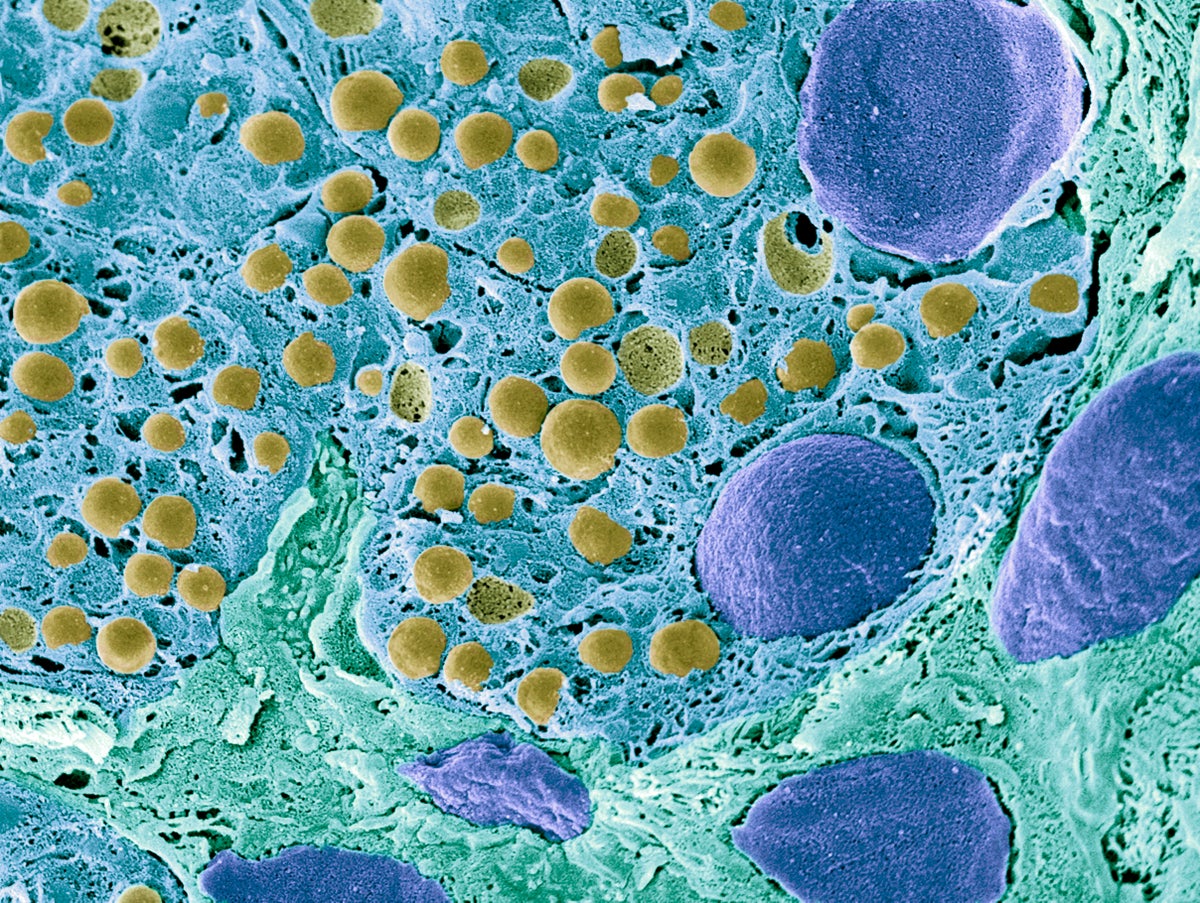
Scientific American @ibbit.at New Cell Transplant Therapy Restores Insulin Production in Patient with Type 1 Diabetes
Scientific American @ibbit.at What Is 'Spoofing'? How a U.S.-Seized Oil Tanker Reportedly Tried to Evade Detection

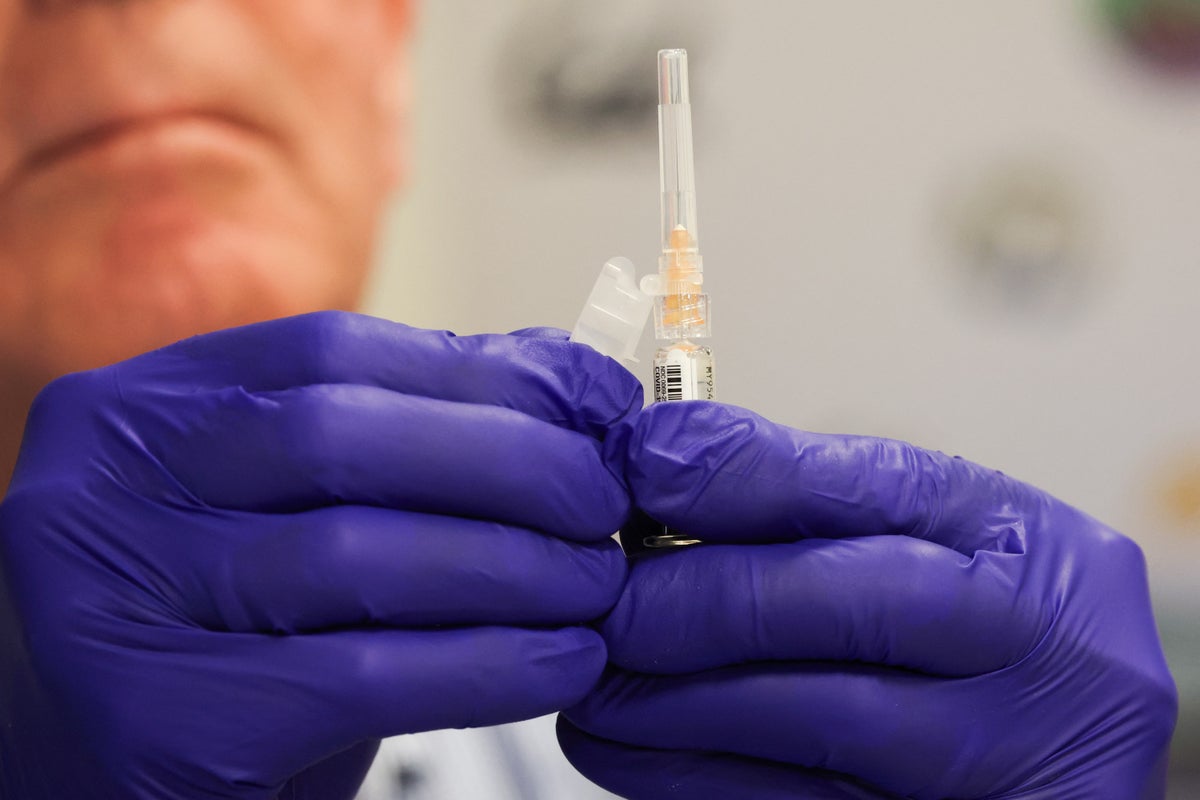
Scientific American @ibbit.at Health Experts Slam Possible FDA ‘Black Box’ Warning for COVID Vaccines
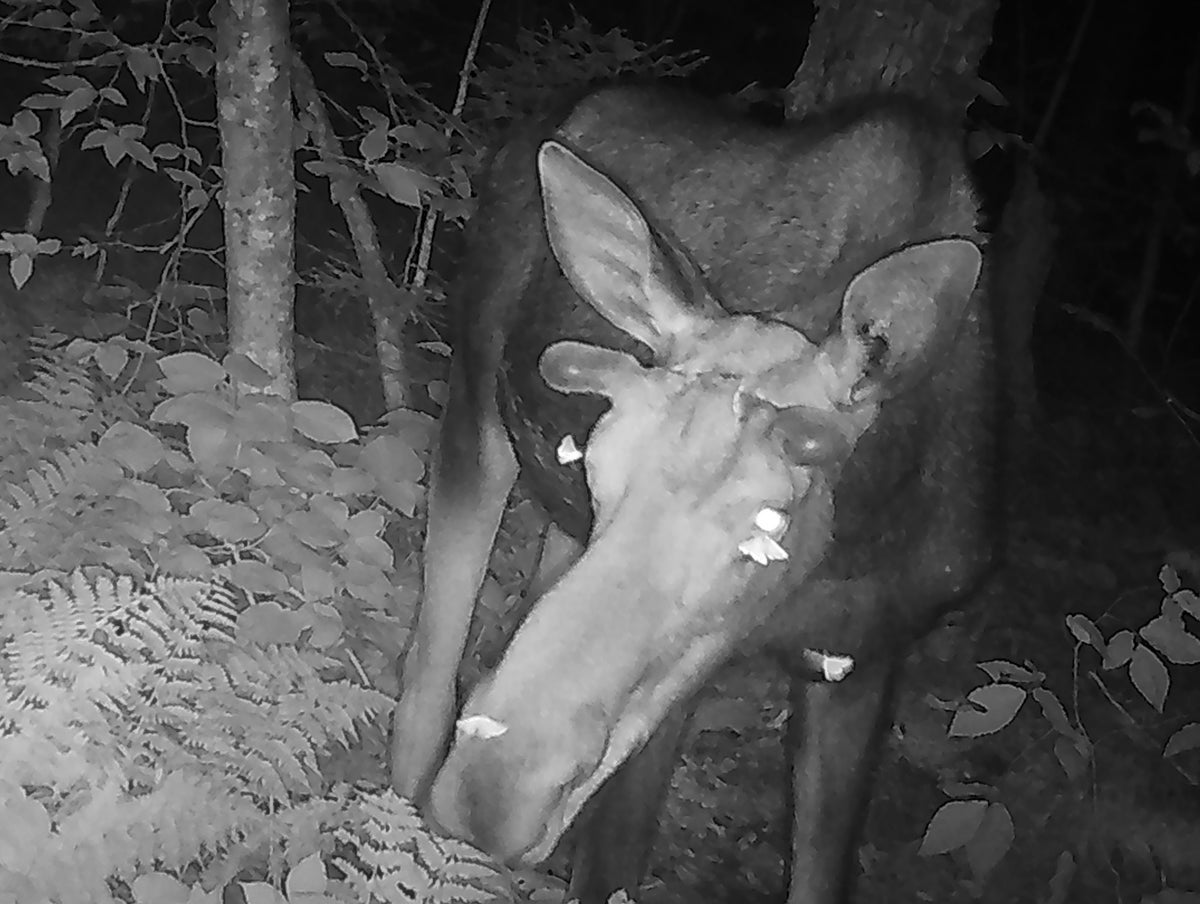
Scientific American @ibbit.at Photos Reveal Moths Sipping Tears from a Moose
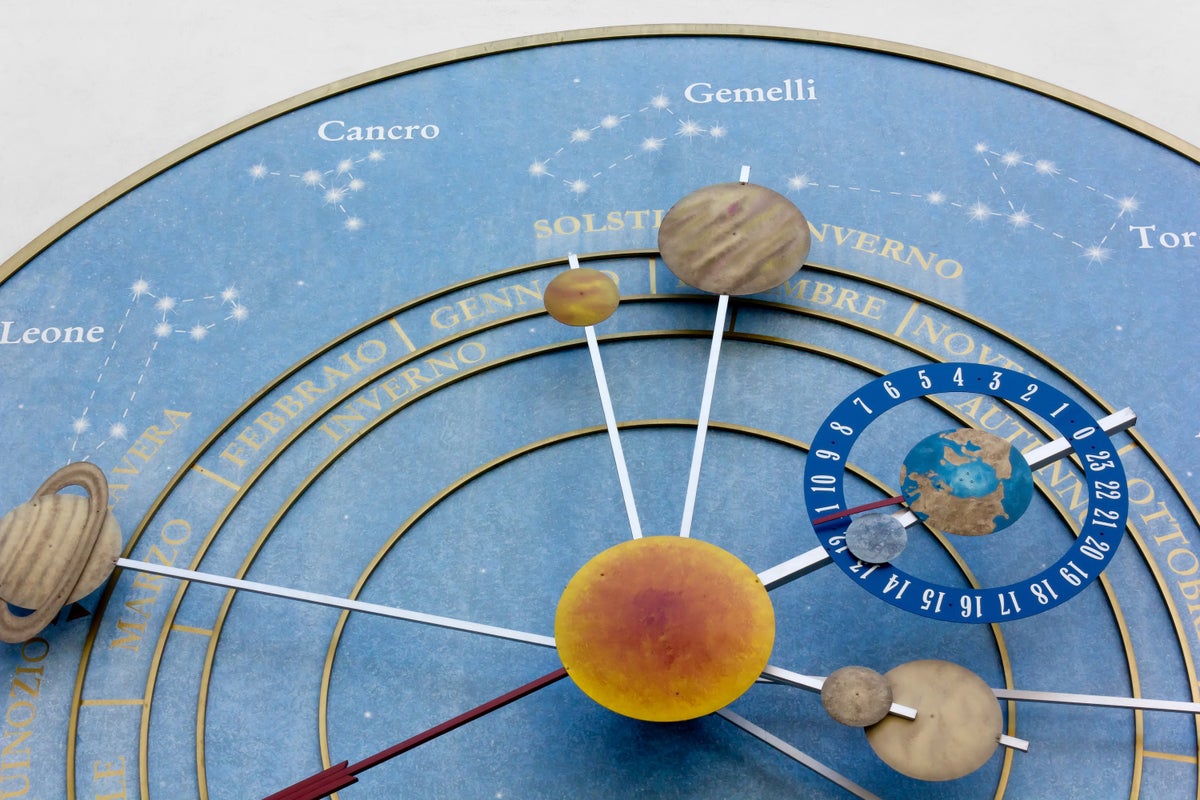
Scientific American @ibbit.at What Time Is It on Mars?
Scientific American @ibbit.at AI as the New Empire? Karen Hao Explains the Hidden Costs of OpenAI’s Ambitions

Scientific American @ibbit.at COVID Vaccines Slashed Kids’ ER Visits by 76 Percent, Study Finds
www.scientificamerican.com /article/covid-vaccines-slashed-kids-er-visits-by-76-percent-study-finds/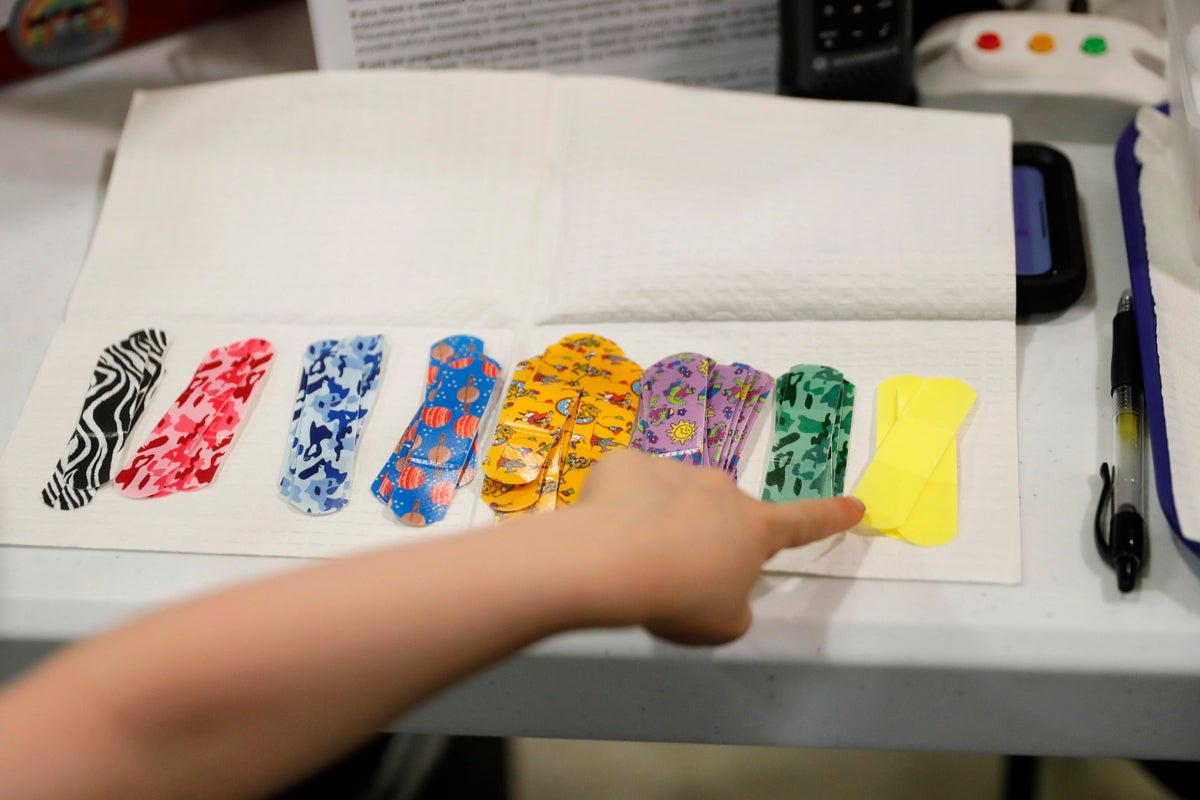
Scientific American @ibbit.at U.S. Approves First Device to Treat Depression with Brain Stimulation at Home

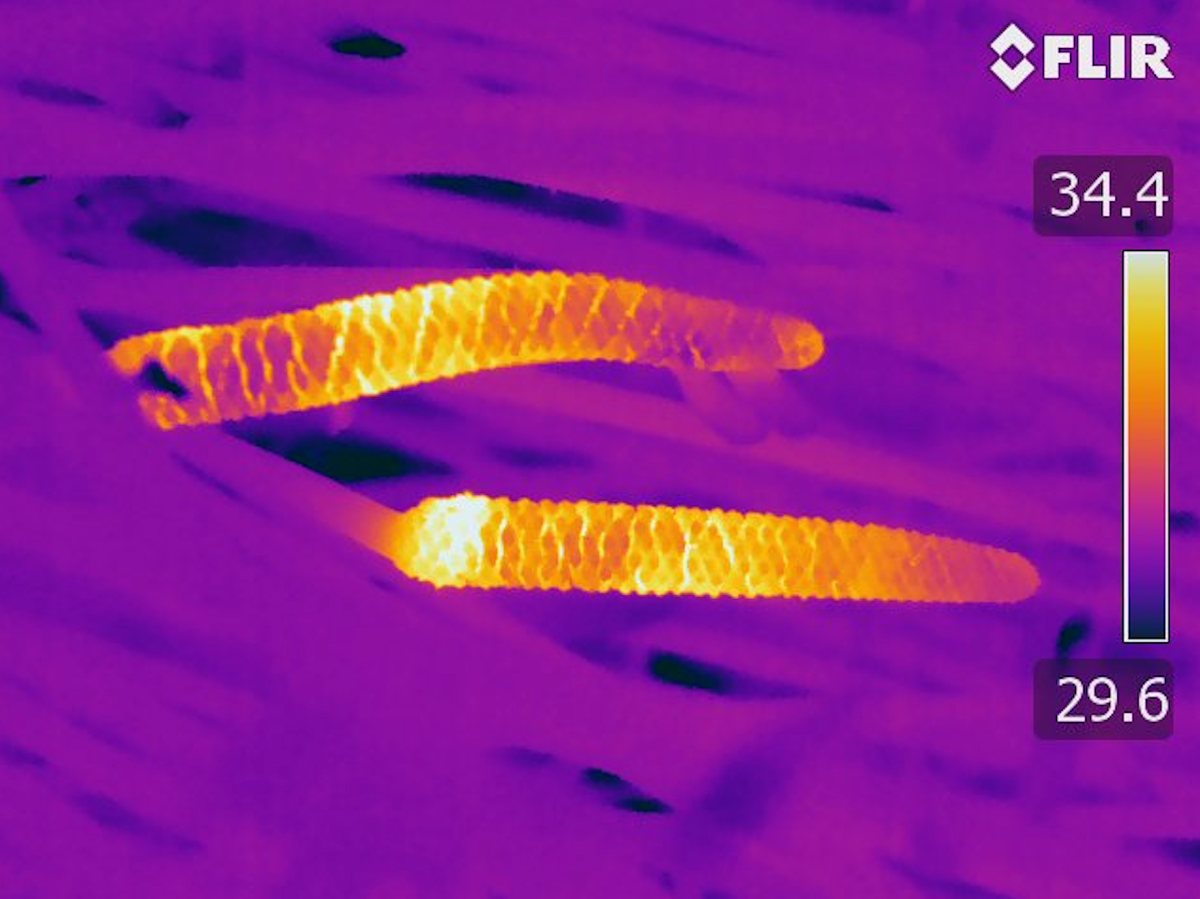
Scientific American @ibbit.at Before Flowers Existed, Ancient Cycad Plants Lured Insects with Heat
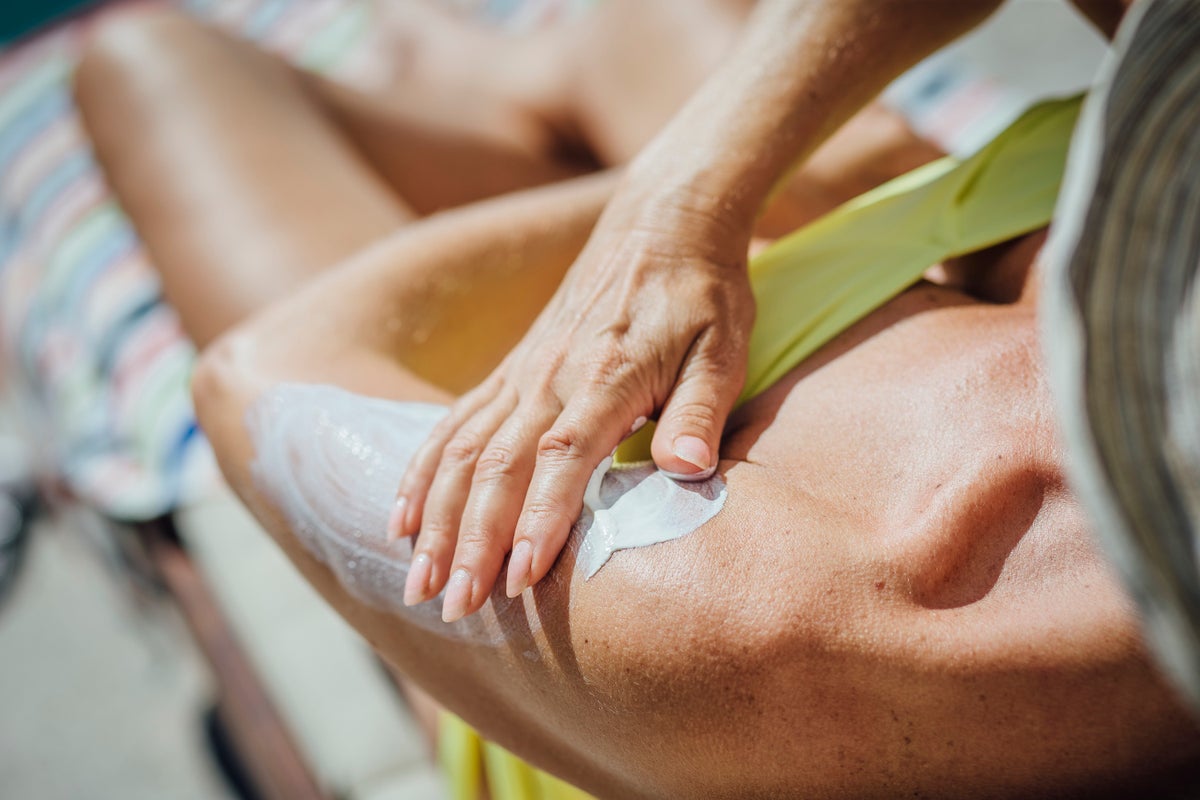
Scientific American @ibbit.at U.S. Sunscreens Aren’t Great. The FDA Could Soon Change That
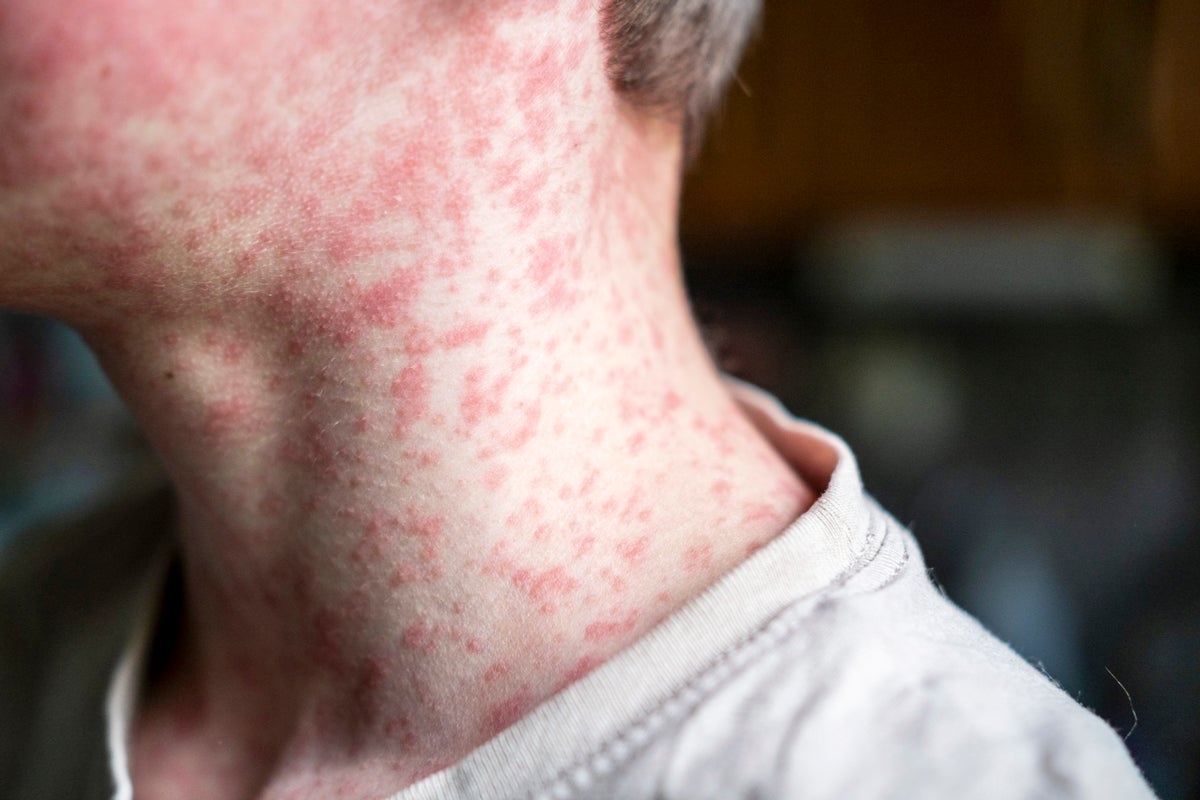
Scientific American @ibbit.at Measles Outbreaks Accelerate as U.S. Inches Closer to a Disease Tipping Point
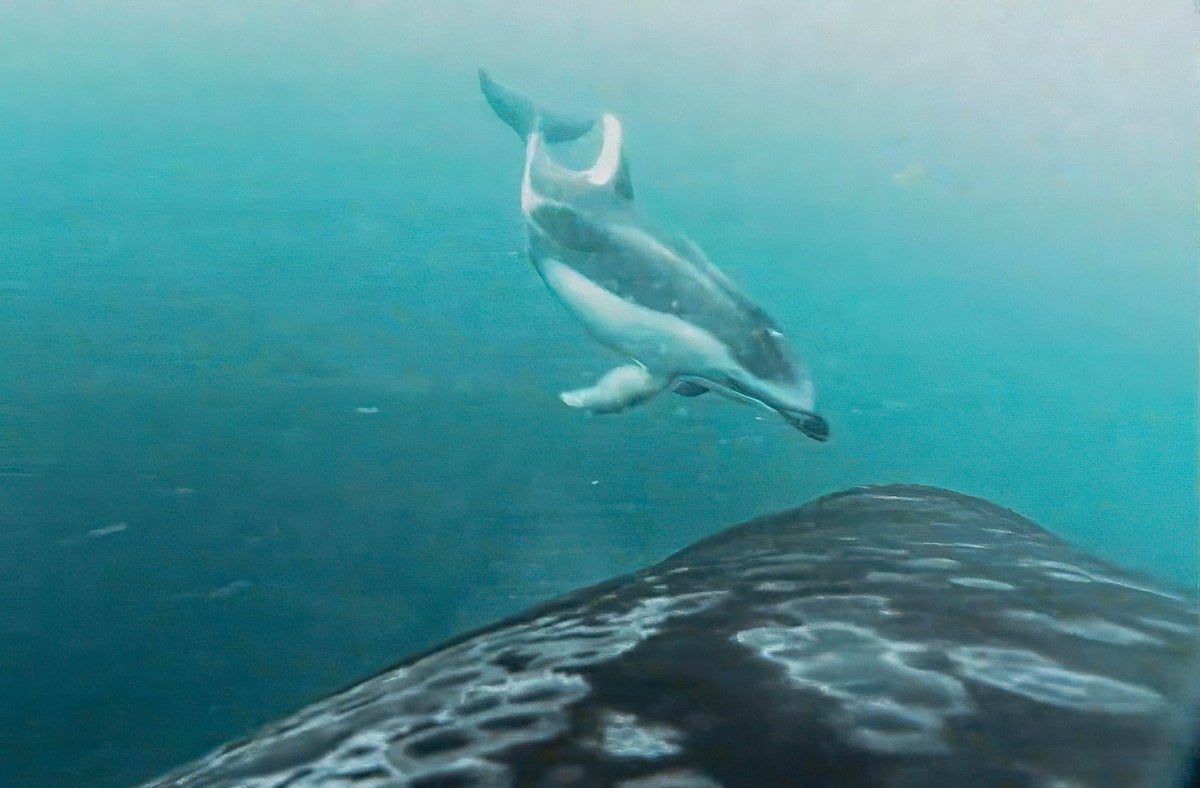
Scientific American @ibbit.at Killer Whales and Dolphins May Team Up to Hunt Salmon
Scientific American @ibbit.at Teen AI Chatbot Usage Sparks Mental Health and Regulation Concerns

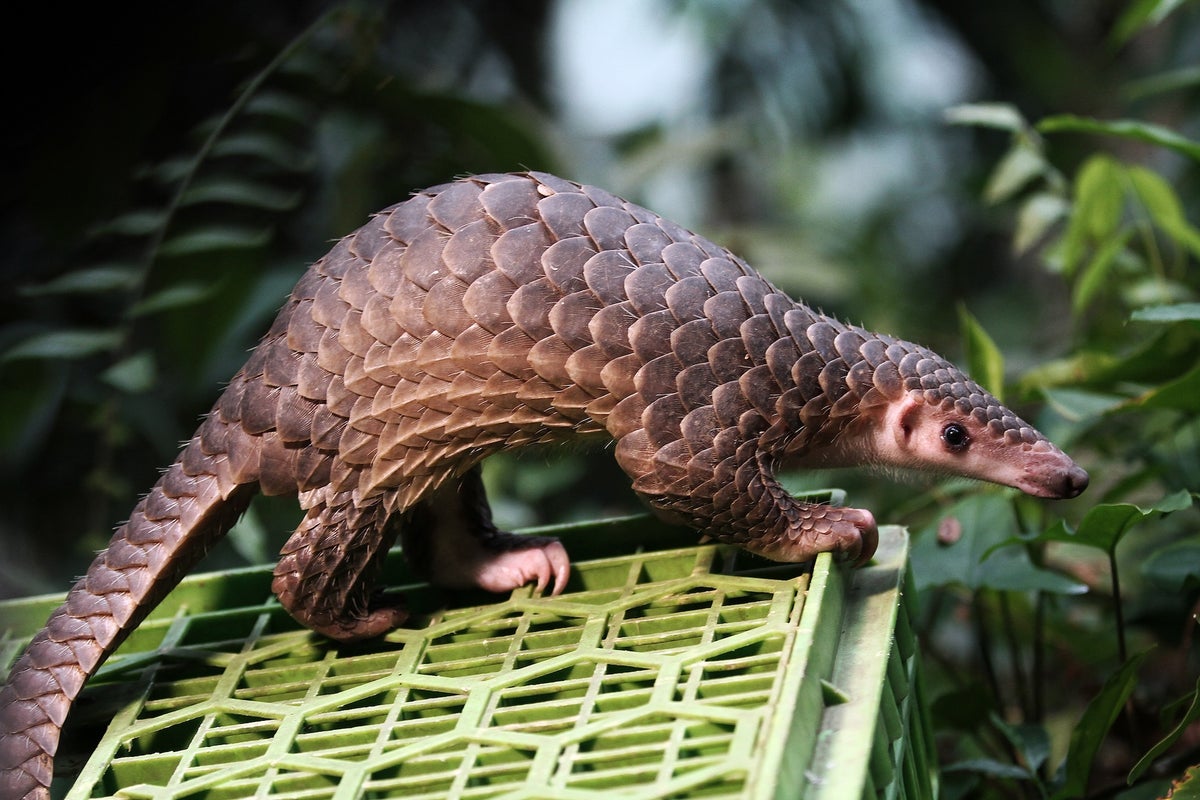
Scientific American @ibbit.at People Are Using TikTok to Sell Endangered Animals to Eat
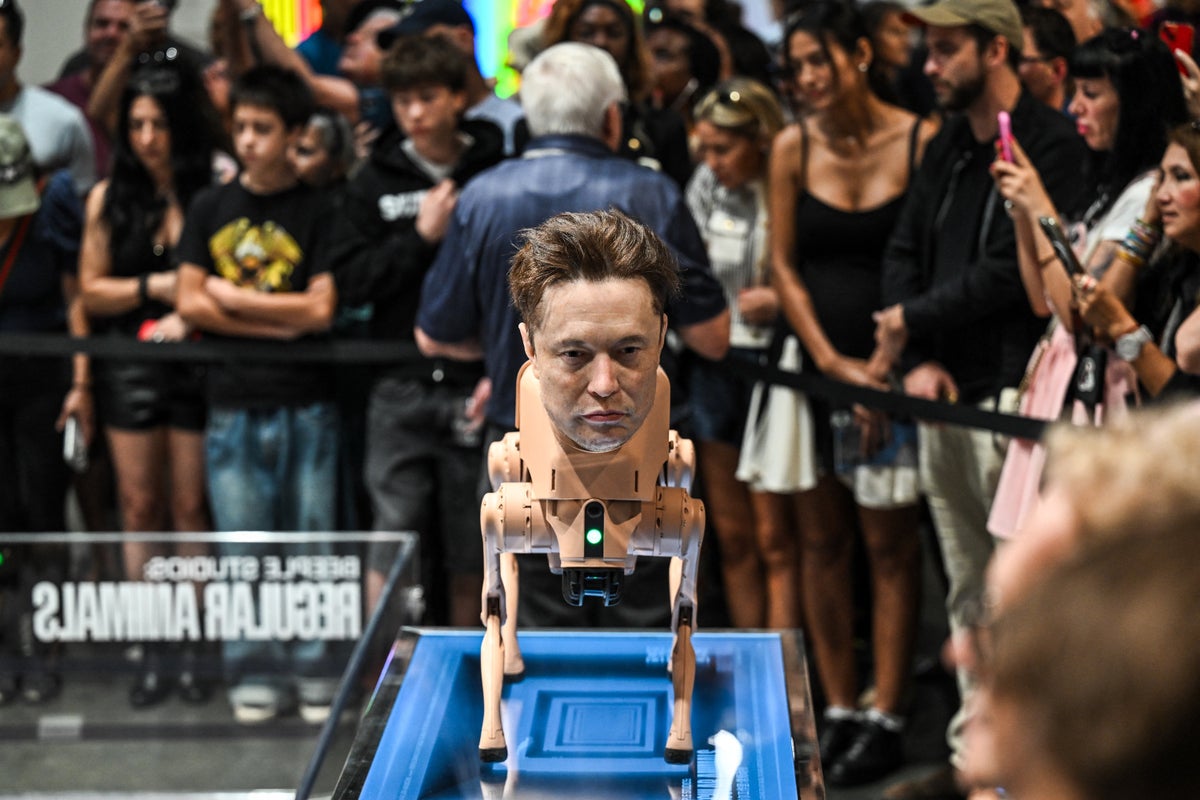
Scientific American @ibbit.at Beeple’s Art Basel Robot Dogs Satirize Musk, Zuckerberg and Our AI Future
Scientific American @ibbit.at Uterine Fibroids Significantly Raise Risk of Heart Disease

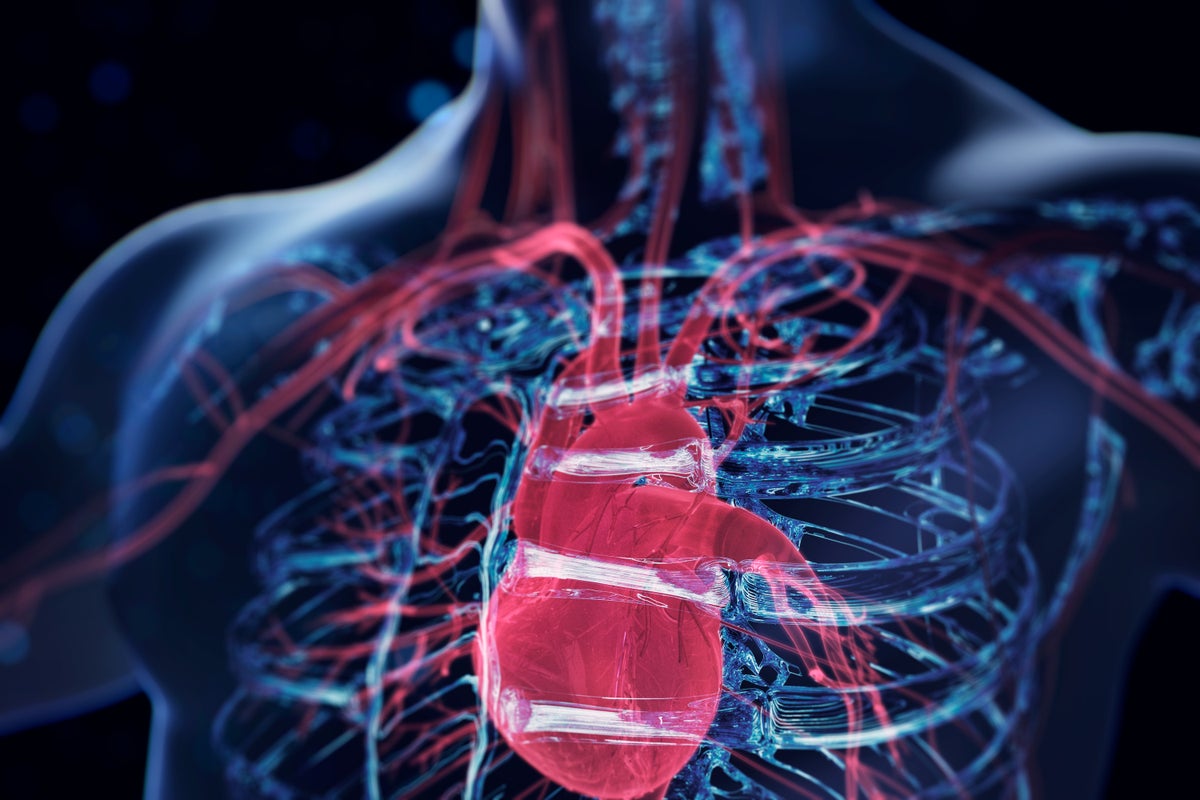
Scientific American @ibbit.at Scientists Explain How mRNA COVID Vaccines May Rarely Cause Myocarditis
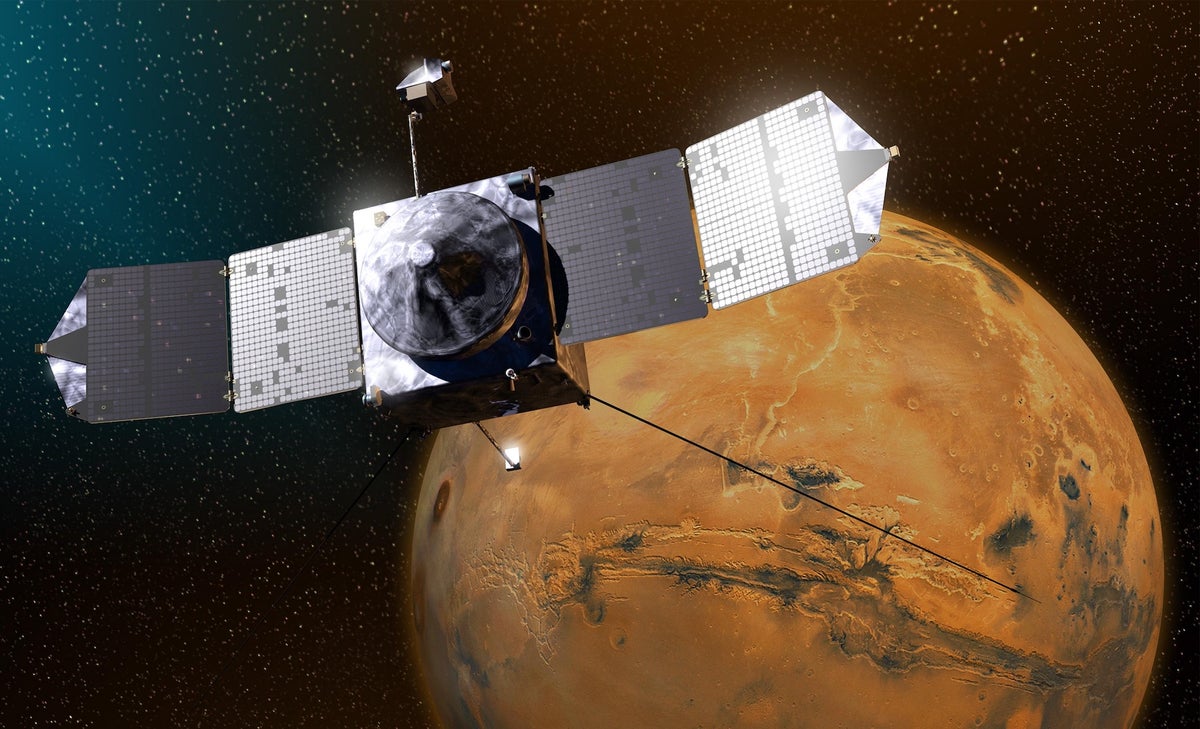
Scientific American @ibbit.at NASA Loses Signal from Critical Mars Orbiter
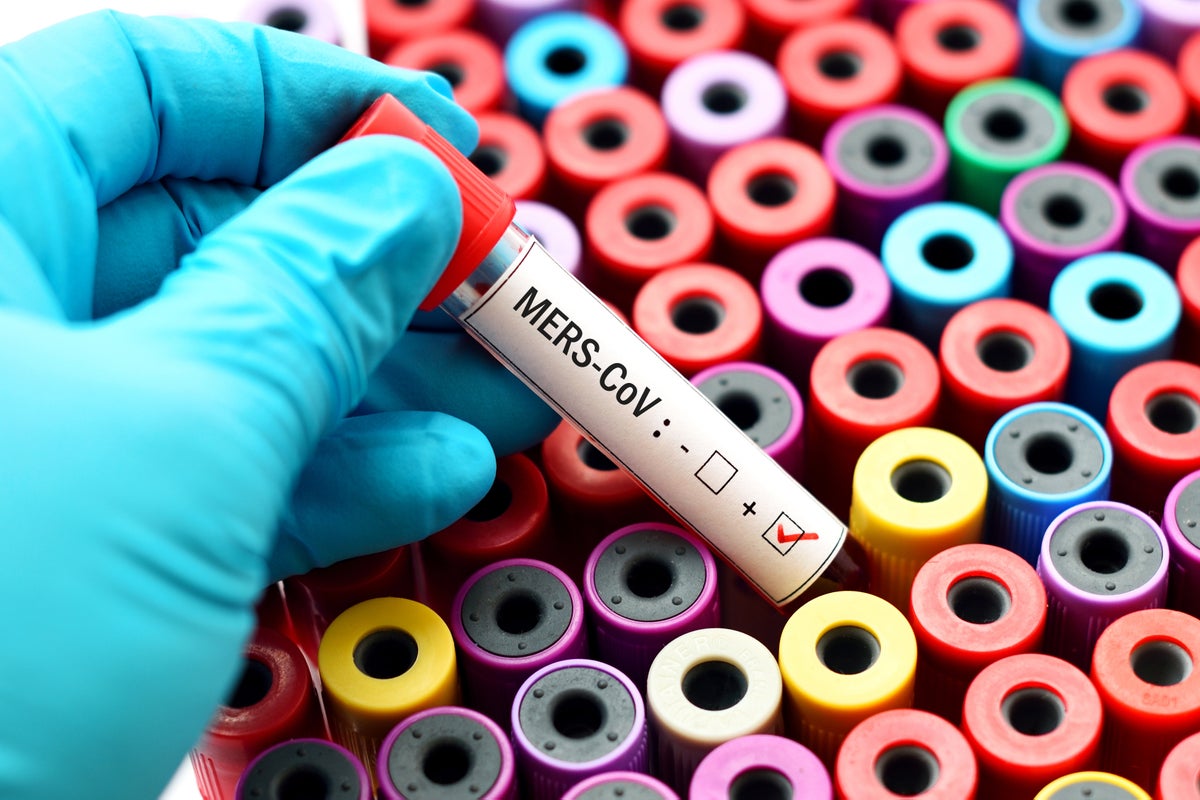
Scientific American @ibbit.at MERS, a Deadly Coronavirus, Resurfaces in France for First Time in 12 Years
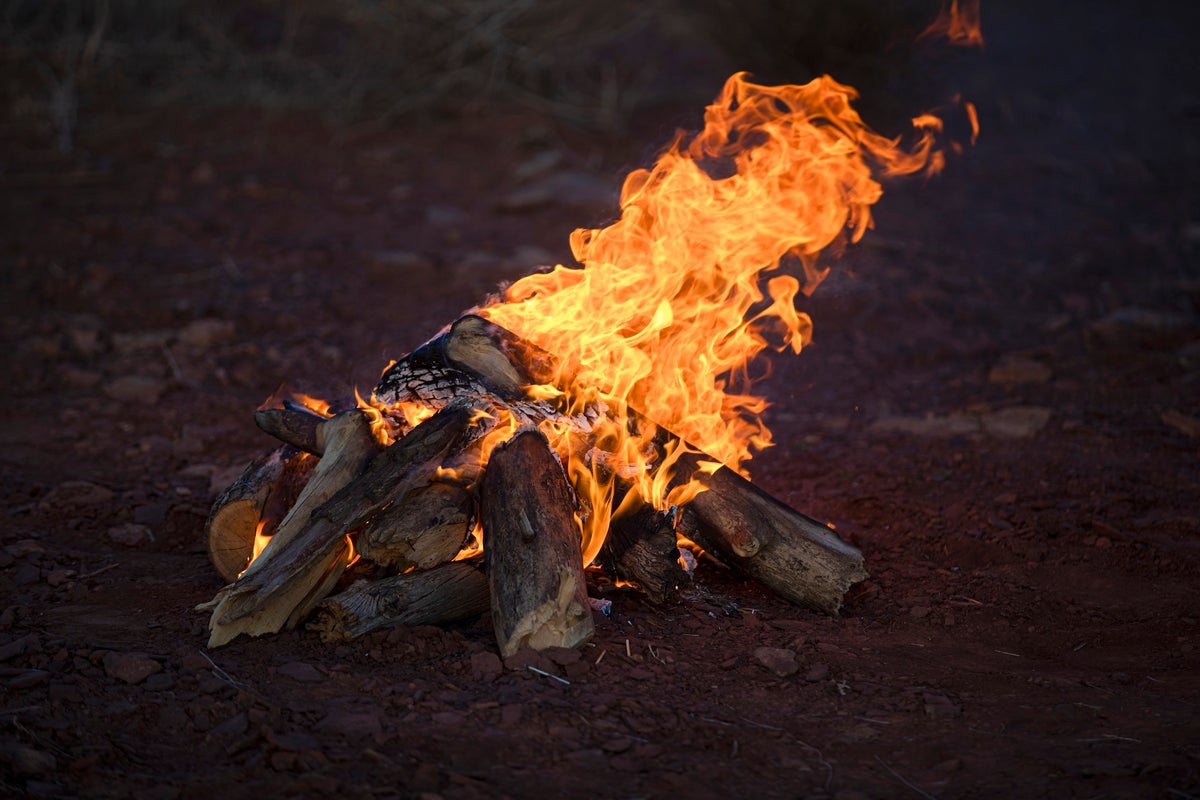
Scientific American @ibbit.at Ancient Humans Were Making Fire 350,000 Years Earlier Than Scientists Realized